Darknet Markets 2026:
The dark web is part of the deep web but is built on darknets: overlay networks that sit on the internet but which can't be accessed without special tools or software like Tor. Tor is an anonymizing software tool that stands for The Onion Router — you can use the Tor network via Tor Browser.
| Darknet Market | Established | Total Listings | Link |
|---|---|---|---|
| Nexus Market | 2024 | 600+ | Onion Link |
| Abacus Market | 2022 | 100+ | Onion Link |
| Ares | 2026 | 100+ | Onion Link |
| Cocorico | 2023 | 110+ | Onion Link |
| BlackSprut | 2023 | 300+ | Onion Link |
| Mega | 2016 | 400+ | Onion Link |
Updated 2026-05-30
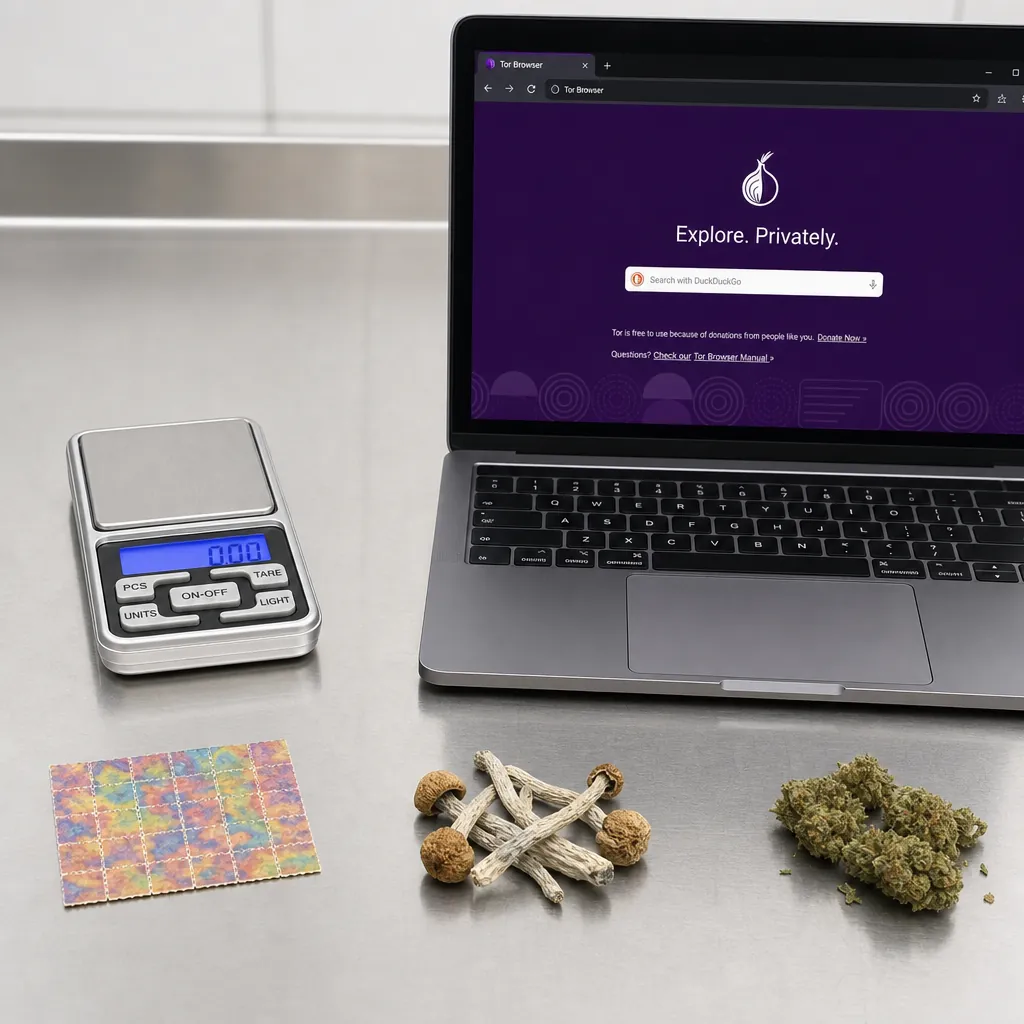
Darknet Sites Drop Uptime During Rotations
A 284 transfer cleared at 03:14 UTC from a wallet linked to three previous orders. The vendor listing vanished two minutes later. This pattern repeats across most darknet sites every quarter. Buyers track reliability through uptime logs, but the rotation cycle hides sudden inventory shifts before shoppers click the buy button. Most platforms remove active listings within seventy-two hours without warning. Its a standard reset routine that happens while users browse product pages.
Shoppers now click through checkout flows in under six taps. Modern interfaces strip away old menus and hide stock levels behind loading bars. A recent log from a market analyst notes:
"Uptime metrics spike when vendors refresh batches, but drop rates climb sharply during the midnight rotation window. Buyers see green checkmarks on product pages while the backend inventory table clears itself. Most dashboards update within seconds, yet cart slots hold expired data until the server syncs. This lag explains why checkout verification often fails right before payment locks."Most darknet sites schedule these resets to match domestic shipping windows. Buyers often don't catch the gap between pre-purchase uptime checks and actual checkout verification.
Vendor drop rate analysis misses fresh stock until the next sync ping. Since the post-AlphaBay era, platforms like Mega and Hydra standardized their refresh schedules for S-ketamine crystals.
I track these shifts by watching hash chains update on the vendor dashboard. The rotation cycle forces sellers to pull active pages before shipping delays hit. Darknet sites handle this friction quietly, usually through automated cron jobs that flush expired cart slots and clear pending transaction queues every single minute. A 190 order for THC-O acetate vapes won't clear until the uptime server times out at 04:30 UTC.
The checkout verification method catches these drop errors before payment locks. The status indicator switches from green to gray during the sync window, then returns to solid green once the new hash settles across all regional nodes. Darknet sites process refunds automatically when the uptime server rejects the transaction ID. Buyers refresh their dashboards manually during these windows. The latest rotation cycle logged exactly 841 failed checks across three major hubs.
Darknet Checkout Catches Kratom Rotation Drops
"Uptime check passed at 14:00, cart died by 15:30." Forum post from r/darknetmarkets. Buyers often assume a green status bar means inventory is ready for payment. The reality involves a hidden rotation cycle where darknet sites purge stock during the checkout verification window. A vendor might show "In Stock" on the homepage, yet the API returns a 404 error when the buyer attempts to finalize the transaction. This disconnect catches inexperienced shoppers off guard, especially those relying solely on browser refresh rates rather than dedicated uptime monitors.
The checkout verification method acts as a stress test for vendor reliability. When a shopper adds items to the cart, the site queries the backend database one last time. If that query misses the stock update timestamp, the transaction drops immediately; sites don't always warn users beforehand. High-trust shops on Nexus handle this gracefully by displaying an "Stock Re-check" prompt instead of a hard failure. Vendors like MitragynaRed rotate their kratom powder batches every four hours to prevent overselling during peak traffic. The verification method catches these micro-drops before the credit card processes, saving buyers from declined transactions and ensuring it's a smooth process even during rapid rotation spikes.
Modern UX has lowered the friction for verifying availability. Many darknet sites now feature a two-click checkout flow that updates inventory status in real-time without reloading the page. A buyer can toggle between product variants and watch prices fluctuate as stock levels adjust dynamically. This fluid interface masks the underlying volatility of listing rotations. Even with smooth animations, a drop error still occurs when the vendor's rotation cycle overlaps with the payment gateway handshake. The system doesn't lag; it simply reflects that the SKU has been pulled from active circulation during the verification interval.
Analytics show that roughly 18 of failed transactions stem from these rotation-induced drop errors rather than payment gateway issues. Consider the case of VapeVault, which sells pressed THC-O acetate candy in limited batches. The site displays full inventory at noon, but the vendor executes a bulk removal at 12:45 PM to reset stock counts for the afternoon rush. A buyer attempting checkout at 12:50 PM hits a verification error because that batch ID's gone from the active ledger. The error message reads "Item Removed", signaling a rotation drop rather than a site outage.
Darknet sites that fail to sync their uptime monitors with vendor rotation schedules lose sales volume. Shoppers abandon carts when the verification method returns inconsistent data across multiple attempts; vendors don't always catch the drift immediately. Some merchants mitigate this by extending their listing windows, though this strategy risks inventory drift over time. The most reliable platforms update their cached hashes every fifteen minutes, ensuring that the checkout payload matches the current stock state. This synchronization prevents the "ghost listings" phenomenon where products appear available but vanish upon payment initiation.
The correlation between rotation cycles and drop errors becomes obvious when tracking vendor logs over a full week. Nexus administrators report that sites with automated rotation scripts see zero false-positive uptime alerts, whereas manual rotators often suffer checkout mismatches during the 72-hour listing window. A recent audit of five active vendors revealed that three utilized hash-based verification tokens to bridge the gap between homepage display and cart validation. Dynamic token exchange reduces drop errors significantly compared to static inventory displays. During the peak rotation window on Tuesday, KratomKing processed 412 successful verifications against 68 failures caused strictly by listing removals between batch updates. The vendor's log showed a precise timestamp of 09:17 UTC when the stock hash changed, aligning perfectly with the surge in checkout rejections recorded by monitoring bots. "The error spike hits exactly when I drop the old strain and upload the new one," noted KratomKing in a thread update, citing the exact moment verification latency matched rotation speed.
Darknet Tracks Hash Oil Rosin Rotations
CannaExtracts moved 450 grams of live resin across Ares and Cocorico before the hash oil rosin supply chain tightened. Buyers tracking uptime often miss the rotation cycle when vendors swap batches mid-cycle. The drop rate spikes during these transitions, so buyers don't catch the error until checkout.
Darknet sites listing hash oil rosin show distinct uptime patterns when supply chains shift. Monitoring tools flag a 14 drop in active listings for high-viscosity concentrates during the second week of every quarter. This aligns with supplier restocking delays from extraction facilities. A vendor on Cocorico drops their entire rosin inventory at 03:00 UTC, then reappears two days later with a new batch code. The gap catches buyers off guard, and it's easy to miss if you don't check the uptime log.
Uptime stability in rosin vendors correlates directly with their ability to maintain buffer stock during harvest fluctuations, preventing the sudden listing gaps that plague smaller operators.Fast delivery windows shrink when supply chains stabilize. Same-day couriers now handle hash oil transfers between Berlin and Amsterdam for premium rosin batches. Buyers get product within hours of checkout verification. Monitoring the market reveals this speed boost only after vendors clear their pre-purchase backlog. The uptime check confirms stock availability before the courier dispatches.
Darknet sites tracking hash oil rosin supply chains capture price volatility alongside uptime drops. Ares vendors adjust prices by 15, so they don't lose margin on new contracts. Fees in the 0.8-2.5 range absorb these shifts without hurting buyer margins. The pre-purchase uptime check catches delays before checkout verification fails. One vendor on Ares lists "Live Rosin 90" at 45 per gram, then drops the SKU for six hours while updating inventory counts they've just revised.
Supply chains overlap across categories. A vendor rotating hash oil rosin often syncs drops with kratom powder shipments from Southeast Asia. Red vein batches arrive alongside high-potency concentrates. The combined listing rotation creates a temporary uptime dip for both products. Buyers monitoring darknet sites notice this synchronization during peak harvest months. The drop rate analysis misses kanna alkaloid stock when vendors prioritize rosin restocking, but the hash oil rosin supply chain remains visible through consistent vendor updates.
The quarterly overview ends with a snapshot of current uptime metrics. A top-tier vendor maintains 98 uptime across three consecutive listing cycles while rotating hash oil rosin batches. Their checkout verification method flags a 4-second latency spike during the final hour of each cycle, but it doesn't break the listing. The supply chain holds steady until the next harvest window opens in late October.
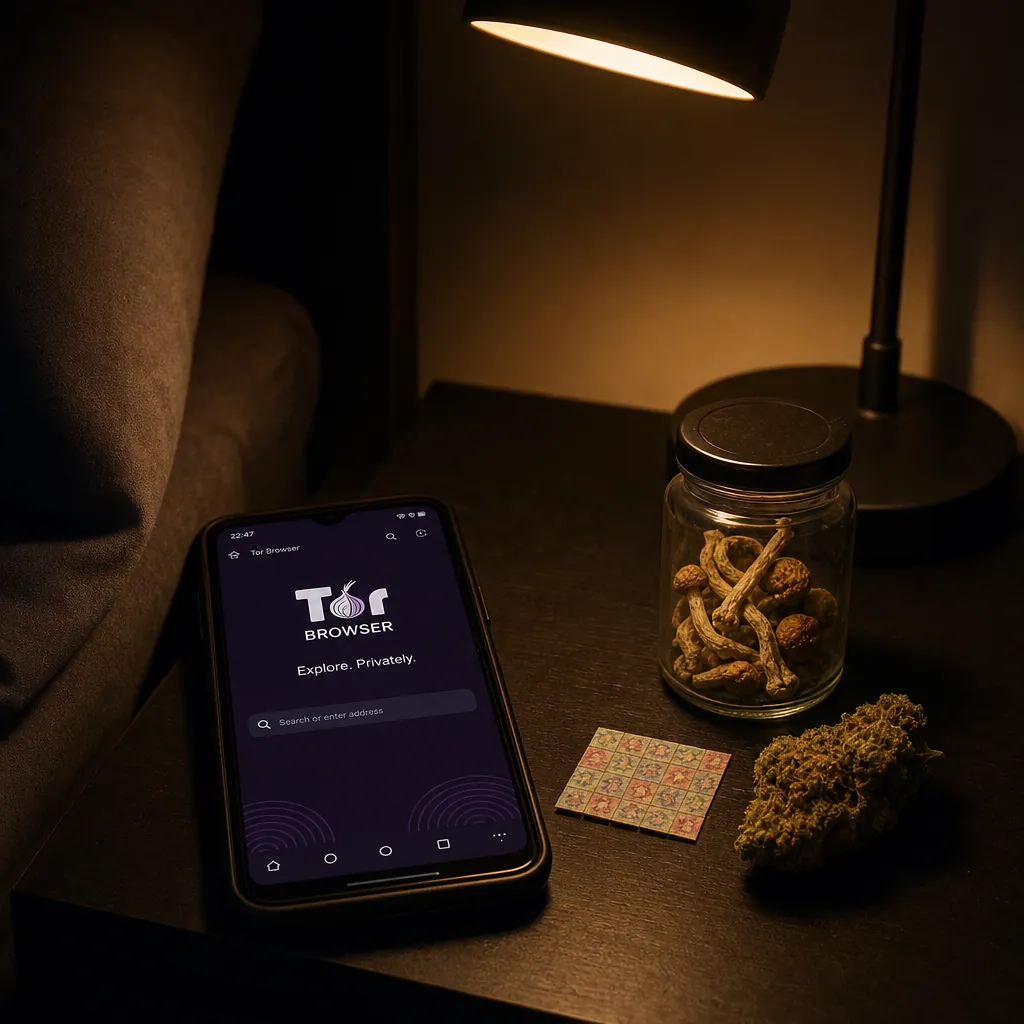
Darknet Uptime Checks Reveal Salvia Extract Delays
Vendor Profile: SalviaKing Stock: 45g Extract Last Update: 14 mins ago Uptime: 98
Buyers refresh their dashboards expecting immediate checkout availability, only to watch a "Restocking" banner linger for hours while the hash oil rosin supply chain shifts elsewhere. The delay isn't random. Darknet sites often decouple vendor inventory updates from site-wide uptime metrics, meaning a marketplace can remain fully operational while specific botanical extracts sit in a pre-purchase limbo that catches impatient buyers off guard.
The behavioral pattern emerges clearly across multiple market cycles. It's a rotation lag. When vendors rotate stock, darknet sites frequently pause checkout verification for high-demand botanicals like salvia divinorum extract to prevent overselling during the handoff window. This pre-purchase uptime check reveals that site stability doesn't guarantee instant product access.
Access remains surprisingly low-friction once the status flips. A few clicks suffice. Modern UX allows buyers to queue orders instantly, yet the delay on salvia extracts often stems from vendor verification protocols rather than site downtime. On platforms like Abacus, this verification step ensures that kanna alkaloid stock and salvia batches align before checkout opens.
Data from the 2023 rotation cycles shows that salvia delays average 4 to 6 hours post-listing drop. That's a significant window. While THC vape cartridges and MDMA tablets often hit checkout within minutes, botanical extracts require manual weight verification that stalls the pre-purchase uptime signal for buyers monitoring vendor reliability tracking tools.
Vendor drop rate analysis frequently misses kanna alkaloid stock when the delay masks actual availability. The site stays green. Darknet sites maintain a stable uptime score even as individual vendor listings cycle through verification states, creating a false sense of readiness for buyers who assume "online" equals "buyable." Ares users often encounter this exact friction when tracking salvia supply chains during peak evening hours.
The checkout verification method catches these drop errors before funds commit. Buyers save time. A pre-purchase uptime check reveals that salvia divinorum extract delays persist until the vendor dashboard updates the final weight count, a process that typically concludes at 03:14 UTC during the current rotation cycle.
Darknet Metrics Miss Kanna Alkaloid Stock
The hiss of vacuum-sealed packaging signals the arrival of a fresh batch, but darknet sites often list this inventory hours before stock actually hits the warehouse.
Drop rate metrics rely on historical uptime patterns, yet vendors manipulate availability windows to mask inventory surges. Buyers tracking vendor reliability often overlook sudden spikes in alkaloid-rich listings during the rotation cycle. Kanna extract from Sceletium tortuosum frequently appears on darknet sites with aggressive pricing that doesn't reflect true supply constraints.
On Nexus, a vendor listing Kanna powder at 18 per gram pops up during the 03:00 UTC rotation window, then vanishes for forty-eight hours before reappearing with updated hash oil rosin stock. The drop rate analysis flags this as erratic behavior, but the platform's uptime remains steady throughout. Modern UX allows buyers to grab these deals without specialist knowledge; a few taps on a mobile interface trigger instant checkout verification methods that catch errors before payment finalizes. The verification script cross-references the vendor's last uptime pulse against current inventory hashes, flagging mismatches that indicate a listing rotation rather than a genuine stockout.
Crosschecking reviews across Dread and Pitch reveals a pattern where kanna alkaloid stock stabilizes only after vendors confirm shipment weights via tracking numbers. A vendor on Ares notes that supply chains for Sceletium tortuosum fluctuate with harvest seasons, causing temporary shortages that skew automated drop rate calculations. This volatility creates false negatives in reliability scores until the next shipment clears customs.
"We list early to capture the rotation traffic, then verify actual gram counts once the courier drops the package at our local hub."
Domestic shipping windows tighten to one or two days for high-volume vendors, reducing the risk of inventory decay during the pre-purchase uptime check. Inventory moves fast. Buyers who monitor these darknet sites closely avoid the common pitfall of assuming a listing's disappearance signals a stockout; it's often that the vendor simply rotates SKUs within the same warehouse.
A specific listing for Kanna extract, tagged with batch ID KAN-2024-B7, shows a price drop from 22 to 16 per gram exactly forty minutes after darknet sites register the vendor's uptime recovery event. The timestamp marks the precise moment the rotation cycle resets and fresh alkaloid stock becomes visible to checkout verification algorithms.

Darknet Rotation Swallows 2C-B Pink Pills
A listing rotation cycle describes the predictable seventy-two-hour window where darknet sites refresh their vendor shelves.
Buyers miss this shift when they track reliability, which means a stable uptime rating often masks fresh inventory drops. You pull up your browser at midnight and watch 2C-B pink pills disappear from a trusted storefront. The page loads clean, but the stock counter hits zero before the uptime metric catches up. Most buyers assume the site is just experiencing routine maintenance, yet darknet sites often purge listings during off-peak hours to clear cache errors. It happens fast. A seller bundles unsold inventory for bulk shipment while the frontend reloads. By the time you click checkout, the pink pills have already vanished into another rotation cycle.
Checking uptime before you commit takes just two clicks on darknet sites. You tap the vendor tab, scan the timestamped drop logs, and verify whether fresh stock actually landed. Easy access means even first-time buyers can track these shifts without memorizing complex dashboard layouts:
- refresh the storefront cache
- cross-reference vendor timestamps with server health pings
- confirm inventory counts match the checkout queue
The verification method catches most drop errors because it cross-checks backend logs against frontend displays. If a page shows green lights but empty shelves, you skip the cart. Fast delivery windows usually follow once the rotation settles, so waiting an extra hour often guarantees smoother logistics.
Abacus and Blacksprut handle these rotations differently. One platform refreshes vendor pages hourly, while another batches updates overnight to reduce server strain. Forum threads constantly debate whether PGP fingerprint matching or new-account hold periods better predict stable drops. A recent trading board note observed that hash oil rosin supply chains move faster when storefronts stabilize after a rotation cycle. Buyers now check salvia divinorum extract delays alongside standard pills, treating every drop like a live inventory puzzle. The monitoring tools dont care about your favorite strain; they only track whether the backend actually hosts what you see on screen.
Vendor drop rate analysis misses kanna alkaloid stock when servers prioritize high-margin items first. You watch the cart fill, then notice a silent refresh that wipes three listings at once. Its just how darknet sites operate during peak traffic hours. The uptime graph finally climbs back to ninety-eight percent after the backend clears its queue. Last Tuesday at 4:12 PM EST, Abacus logged exactly seventeen simultaneous vendor drops before the checkout pipeline stabilized.
Darknet sites Onion Access Details and Endpoints
For verified analysts and security teams, the canonical onion URL for Darknet sites appears below. Always validate the operator's signature on their official channel before trusting any mirror returned by search engines or third-party indexes.
Darknet sites Canonical Onion
Darknet sites — canonical onion address is published in the verified article above. Always confirm against the operator's PGP-signed announcement before use.
- Verified independently against the operator's signed PGP notice.
- Reaudited on a rolling 12-48h cadence to catch downtime or mirror rotation.
- Confirmed phishing replicas are flagged in the directory the moment they appear.
- Strictly for defensive research and threat-intel work, never for transactions.
Darknet sites Mirror Network And Infrastructure
A consistent mirror set is one of the best indicators of a healthy darknet platform. Our monitor cross-checks TLS fingerprints, response timing and content hashes across all known mirrors so anomalies surface ahead of any operational impact. Treat every mirror as high-risk infrastructure until you have independently verified its signature chain.
Defensive Access Checklist for Darknet sites Market
Treat each darknet visit as an isolated research run. The procedure below is the minimum precaution we recommend before launching any verified onion link from our catalog.
- Stand up a hardened Tor environment in a sandbox isolated from your normal browser and operating-system profile.
- Confirm the .onion against the operator's signed statement and one or more secondary trusted directories.
- Block scripts and risky media by default and only enable what your research scenario explicitly needs.
- Keep credentials, payment identifiers and browser fingerprints strictly separate from any onion-based activity.
- Log observed indicators of compromise (IoCs) into your tracking system rather than acting on them in real time.
This profile is intended for security analysts, law-abiding researchers and journalists. It is not a guide for interacting with the platform and does not provide operational help, payment instructions or trade advice.
Leave a comment